
What Happens to Your Business if You're Underinsured?
Real-World Scenarios Showing the Financial Impact of Coverage Gaps
Imagine building your business brick by brick, late nights stitched together with ambition and caffeine, only to watch it unravel not because of a disaster, but because of a detail you couldn’t see coming.
That’s the quiet danger of being underinsured.
Many business owners assume their insurance policy is a safety net strong enough to catch them when things go wrong. But when coverage gaps exist, that net can fail when you need it most. And when it does, the financial consequences can be severe.
The Hidden Risk of Being Underinsured
Underinsurance doesn’t announce itself. It doesn’t warn you ahead of time. Instead, it waits until something goes wrong and reveals the gaps in your protection at the worst possible moment.
It often happens because policy limits haven’t been updated, businesses have grown without revisiting coverage, key protections were skipped to save money, or policy details were misunderstood.
When disaster strikes, these gaps become painfully clear. And whatever your policy doesn’t cover, your business must absorb.
Fire Damage: A Costly Lesson
A small retail boutique experienced a devastating fire that destroyed inventory, damaged the building, and halted operations overnight. The owner believed their insurance would fully cover the loss.
However, their policy limits were based on the business’s value from several years earlier. Since then, inventory had increased significantly and renovations had raised the property’s value.
The insurance payout covered $250,000, but total losses reached $400,000, leaving the business responsible for $150,000 out of pocket.
That financial gap forced difficult decisions, including cutting staff and delaying reopening. The business survived, but just barely.
The lesson is simple: if your business grows but your coverage doesn’t, your risk grows quietly in the background.
Severe Weather: The Storm Without Coverage
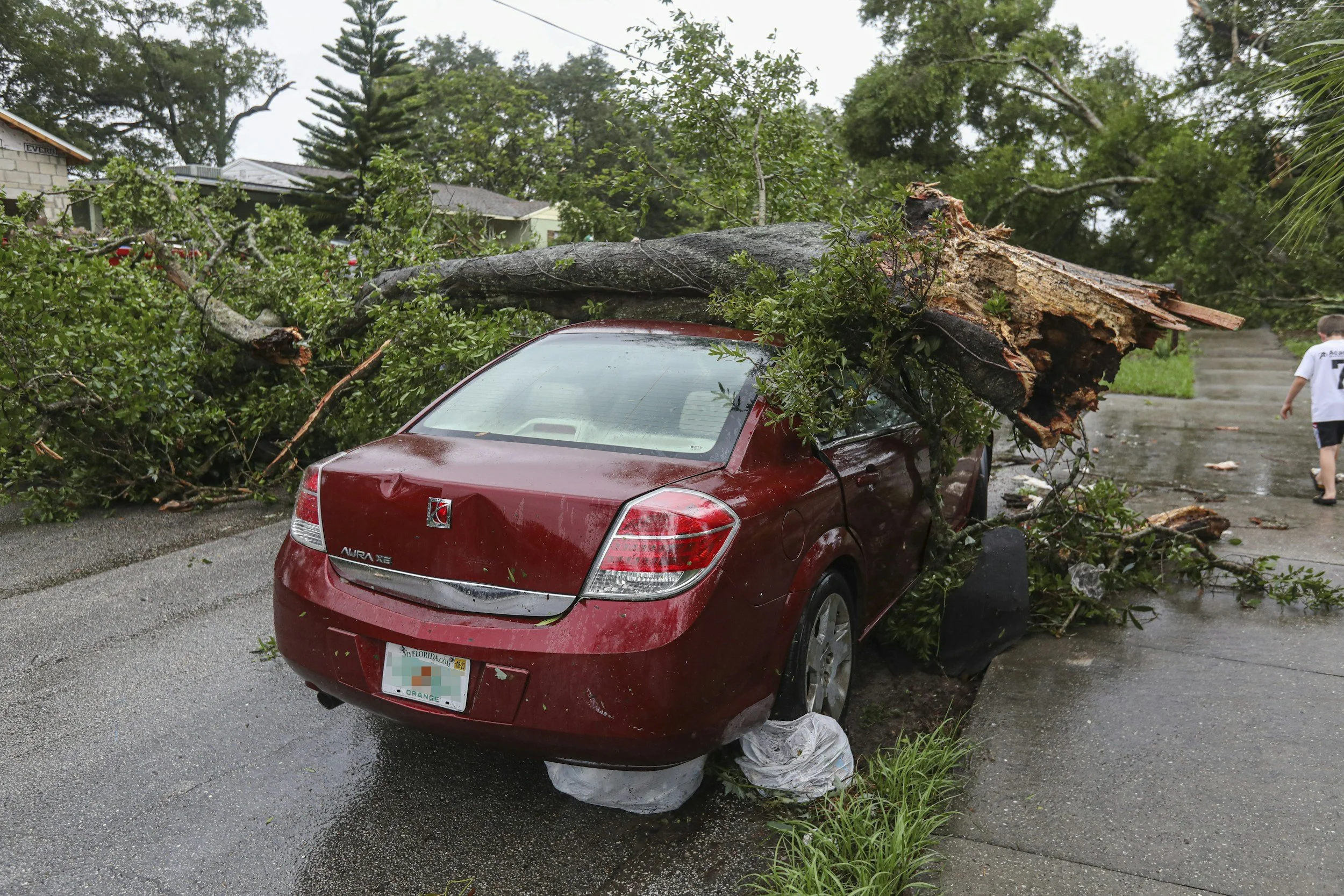
A regional warehouse was hit by a powerful storm that caused roof damage and severe flooding. Inventory was destroyed, and operations were disrupted for weeks.
The business had property insurance, but flood damage was not included in the policy. Additionally, their coverage limits did not reflect peak inventory levels during their busiest season.
As a result, more than $200,000 in losses were not covered.
To stay afloat, the company had to take on debt and delay planned expansions.
This scenario highlights a critical reality: not all disasters are covered equally. Without specialized coverage, even a well-insured business can face major financial exposure.
Liability Claims: The Hidden Threat
A customer slipped and fell inside a small business, resulting in a serious injury and a lawsuit totaling $500,000.
The business carried general liability insurance, but the coverage limit was only $250,000.
Insurance paid its portion, but the remaining $250,000 had to be paid by the business.
That unexpected cost drained financial reserves, halted growth plans, and created long-term financial strain.
Liability claims can escalate quickly, and if your limits are too low, your business becomes responsible for the difference.
Business Interruption: The Invisible Loss
After a fire forced a restaurant to close temporarily, the owner relied on business interruption insurance to cover lost income.
While the policy did provide support, it only covered a limited period. Ongoing delays due to contractor availability and supply chain issues extended the closure beyond what the policy allowed.
Additional expenses, including payroll obligations and marketing efforts to regain customers, were not fully covered.
Although the restaurant eventually reopened, recovery took far longer than expected.
This scenario shows that having business interruption coverage isn’t enough. It must be structured to match real-world recovery timelines.
The Real Cost of Coverage Gaps
Underinsurance creates more than just immediate financial loss. It can trigger a chain reaction that affects every part of a business.
Cash flow can be disrupted. Businesses may be forced to take on loans or debt. Staffing may need to be reduced. Growth plans are often delayed, and reputations can suffer.
In many cases, businesses don’t fail because of the initial event. They fail because they cannot recover from what insurance didn’t cover.
Why Businesses Become Underinsured
Even experienced business owners can find themselves underinsured.
Often, policies are purchased and then left unchanged for years. As the business evolves, coverage remains static. In other cases, decisions are made based on reducing premium costs rather than ensuring adequate protection.
Misunderstanding policy details can also lead to gaps, especially when specialized coverage is needed but not included.
Without regular review and expert guidance, it’s easy for these risks to go unnoticed.
How to Protect Your Business
Protecting your business starts with treating insurance as an ongoing strategy rather than a one-time purchase.
Policies should be reviewed at least annually or whenever significant changes occur. Property values and inventory should be reassessed to reflect current replacement costs. Liability limits should be evaluated carefully, and additional protection such as umbrella policies should be considered.
Specialized coverage, including flood, cyber liability, and professional liability, may be necessary depending on your industry.
Working with an experienced insurance advisor can help identify gaps and ensure your coverage aligns with your actual risk.
Warning Signs You May Be Underinsured
If your policy hasn’t been updated in years, your business has grown significantly, or you’re unsure exactly what your coverage includes, there may be gaps.
Choosing coverage primarily based on price or lacking business interruption insurance are also strong indicators that your protection may not be sufficient.
Recognizing these warning signs early can prevent costly surprises later.
Final Thoughts
Underinsurance is often invisible until the moment it matters most. It hides in outdated limits, overlooked details, and assumptions that everything is covered.
The businesses that recover from unexpected events are not always the largest or the most profitable. They are the ones that prepared properly and ensured their coverage matched their real risks.
When something goes wrong, your insurance shouldn’t leave you with questions. It should provide certainty.
Get the Protection Your Business Deserves
If you’re unsure whether your business is fully protected, now is the time to find out.
Affinity can help you identify coverage gaps, update your policy, and build protection that works when you need it most.
Contact your Affinity Risk advisor or reach out to our team to schedule a coverage review to ensure your business is
prepared for whatever comes next.
© Affinity Risk | This content is for informational purposes only and does not constitute legal or compliance advice.